Our Story
The Defendant Aid Society was not built from a business plan. It grew out of one family’s decade-long fight against the federal government, and out of the conviction that no one should have to wage that fight alone.
Where We Began
Our Executive Director, Jewel K. Franklin, grew up inside the American freedom movement. She is the granddaughter of W. Cleon Skousen, the writer, FBI veteran, and teacher whose work on the Constitution shaped how a generation of Americans understood their own liberty. For Jewel, the idea that ordinary people must be ready to defend their freedom was never abstract. It was her inheritance.

Her husband carried the same conviction into public life. Before podcasting had a name, he hosted a radio program that reached roughly a million listeners, built around free markets, faith, and constitutional liberty. He was outspoken, prominent, and to some a controversial figure.
The case against her husband began, as these things often do, with politics. State regulators bristled at his public criticism of certain officials. When the matter reached the Utah Attorney General’s office, prosecutors there examined the evidence and concluded there wasn’t enough to even bring a case (The Salt Lake Tribune, August 16, 2014). But even after that official decision, it did not end. Instead, the very regulators he had criticized asked the federal government to step in. It did, indicting him on fraud and tax charges.
Then, after five years of the defense fighting, a federal judge made a ruling that should stop any prosecution cold. In a 2014 order, U.S. District Judge Clark Waddoups found that federal prosecutors had violated his constitutional rights, and that the government had been able to obtain the indictment in the first place only by crossing those constitutional lines. Judge Waddoups dismissed the entire case with prejudice.
The defendant had “established how the government intentionally intruded on his constitutional rights and attorney-client relationship to secure an indictment in the first instance” — conduct amounting to “a pattern of widespread and continuous misconduct.”
Judge Clark Waddoups · U.S. District Court, District of Utah (2014)A federal judge had ruled that the government broke the Constitution to charge him at all, and threw the case out. Most Americans would assume that is the end of the story: that the government, caught violating the very rights it exists to protect, would stand down.
It did not.
The government appealed. The case was dismissed a second time, but the government won the chance to bring the charges back, yet again, reindicting him in 2017. Then the case turned strange. Judge Waddoups, who had presided for more than five years and stayed on even through the appeal, recused himself without explanation. His lead attorney, Marcus Mumford, was removed with no reason given.
After several months, Mumford was allowed to return. The first trial took nearly two months, and the jury hung. It ended in a mistrial, no conviction on anything.
The government still did not relent. This time Mumford was removed permanently, through secret, sealed, ex parte proceedings. That matter is still being litigated today. At a second trial in 2018, with only the public Federal Defender at his side, a jury acquitted him of all tax charges but returned convictions for fraud and money laundering. He was sentenced to 170 months (fourteen years and two months) in federal prison.
The press reported almost none of what Judge Waddoups and the Tenth Circuit have both referred to as “the sordid history” of the case, the very history Waddoups had warned was drifting into the territory of Dickens’ Bleak House and its endless, ruinous lawsuit, Jarndyce v. Jarndyce. Nearly twenty years after it began, the case is still not over; the conviction is still being litigated and appealed.
A comprehensive legal record of the case, including the court orders, a full timeline, and primary source documents, is maintained at a public archive of the case record.
How deeply all of this shaped the founders of DAS is captured in what Judge Waddoups observed more than a decade ago, agreeing that he had been forced to defend himself against prosecutors “strikingly unwilling to conform their own conduct to the Constitution, the applicable ethical standards, rules and statutes.”
DAS Is Born
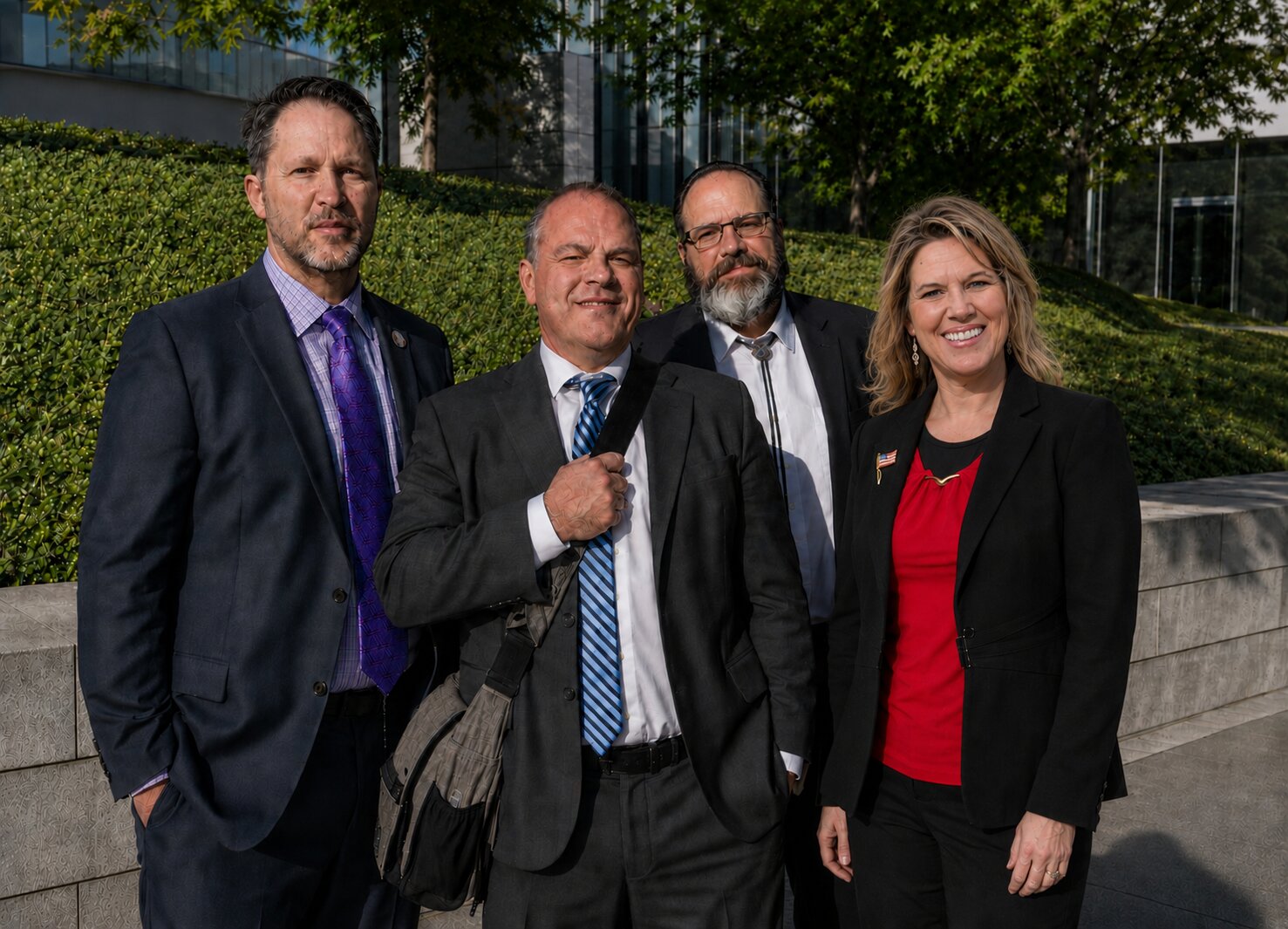
The ordeal changed everyone close to it: the family, Marcus Mumford, and several friends who watched it unfold and could not believe what they were seeing. If this could happen to a prominent, well-resourced family who knew how to fight, what happens to everyone else?
That was the shock that became a calling. They saw, up close, how often ordinary people need help to face the government, especially when misconduct or injustice is involved, and how difficult it is to find the right kind of help.
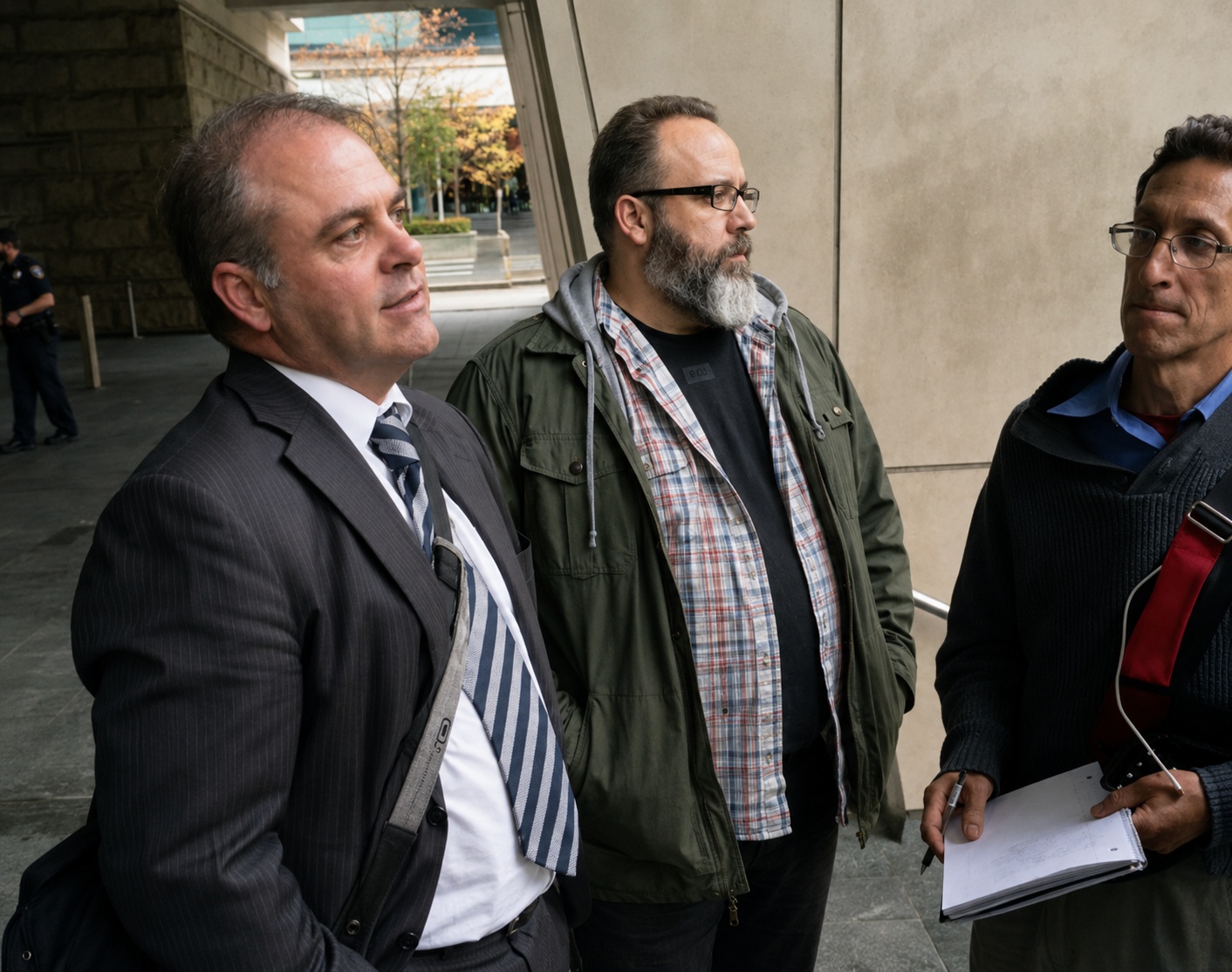
The work found them before they ever named it. In 2016, that growing reputation led to an invitation to help defend the men and women charged in one of the most publicized political trials of its time, the Malheur Refuge occupation trial in Oregon, and soon after in the related prosecution in Nevada. Both ended in historic acquittals and a dismissal for government misconduct.
Read the Malheur & Nevada stories
Almost immediately after her husband was incarcerated in May 2019, with the strong encouragement and support of Marcus Mumford and other close friends and colleagues, Jewel formally created and organized the Defendant Aid Society, supported by a board of attorneys and advisors who remain at its core today. What began as one family’s refusal to surrender is now a national network that has helped hundreds of defendants and inmates across the country.
If you need help, or want to help, there is a place for you in this work.